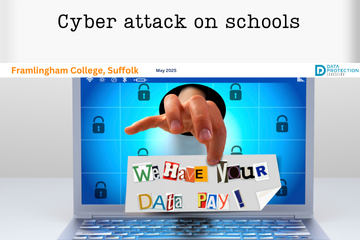
Joe Tidy, BBC's Cyber correspondent has published a blog about cyber crime in schools following the ICO issuing a warning about the 'worrying trend' of students hacking their own school and college IT systems for fun or as part of dares. We explore the situation and what you should do when it happens.
The Murky Panda (also known as Silk Typhoon) is a cyber threat that has had significant activity since 2023 and has targeted government, technology, academic, legal and professional services. Currently there are reports of the threats only in North America, however, as the Murky Panda has previously targeted compromises in the cloud, it is assumed that they will easily transition to attacks further afield. The threat group is a China-nexus group motivated by intelligence collection.
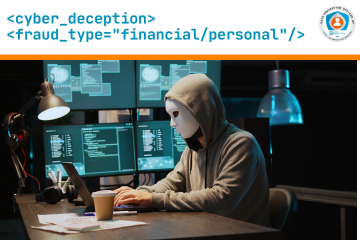
Fraud is deception used to gain something valuable (money, goods, services or information) from someone else's dishonesty. We are seeing a lot of blended cyber attacks in the news currently where social engineering might then be combined with an impersonation followed by a ransomware attack, in order to take data and/or money.
🛡️🕷️ The Scattered Spider is a fast-growing group of cyber attackers currently on the attack and possibly attributed to the recent attack on M & S - they don't just break in and grab one thing, they like to cause as much chaos as possible and then ask for a ransom.
📢 This week the news has reported cyber attacks on several major UK retailers: Marks and Spencer, the Co-op and Harrods, all of which have given everyone a stark reminder of the ever-present and evolving threat of cyber crime.
☁️📲Apple has taken unprecedented steps to remove its highest level data security tool from customers in the UK - the reason? The UK government demanded access to user data.
🗝️🛡️ In a world where cyber attacks are becoming increasingly sophisticated, protecting sensitive information and user accounts has never been more critical. Traditional passwords are rapidly being replaced by a more advanced and secure solution: passkeys. This article explores the benefits of passkeys, their role in preventing cyber attacks, and what to do if a system does not yet support them.
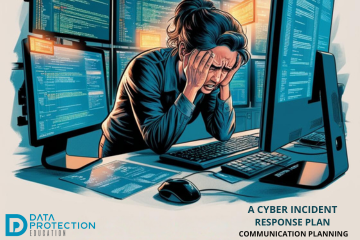
📢 It's important to be prepared for when a cyber incident happens to you. Part of that preparation should include having a Cyber Incident Response Plan, and part of that plan should include how to communicate, who does the communication and what they should say.
We are sharing some of blog posts by school ICT technicians and ICT managers that are giving their advice about keeping your school cyber secure and resilient.
The recent news has been full of the global IT outage that affected many systems over the weekend, including airlines and patient access. Although the incident was not caused by a cyber attack, it is important to note that it was a cyber incident which affects everyone.
A cyber incident is an event with threatens the confidentiality, integrity or availability of information systems, networks or the information they contain.
Cyber incidents can be intentional or accidental and can cause major disruptions. The recently reported CrowdStrike incident caused significant global disruption. While there are huge impacts to the affected systems, for which there are now fixes available, there will be an aftermath of 'unrest' where threat actors will use people's vulnerability and concern to send phishing emails.
The NCSC has already reported an increased in phishing activity as opportunistic and malicious actors seek to take advantage of the situation. The emails could be aimed at organisations or individuals.
Article images created using Microsoft Copilot AI. Micro Learning video created using Vyond AI.
What to do in the event of a Cyber Attack
Incidents or attacks where any security breaches may have taken place, or other damage was caused, should be reported to an external body.
TheSLTdigital lead will be responsible for assigning someone to report any suspicious cyber incidents or attacks. This person will need to report this to:
Police investigations may find out if any compromised data has been published or sold and identify the perpetrator.
Preserving evidence is as important as recovering from the crime.
Forward suspicious emails to This email address is being protected from spambots. You need JavaScript enabled to view it.. Report SMS scams by forwarding the original message to 7726 (spells SPAM on the keypad).