
Photos of early years children on an orange background. Early Years settings in blue text. Data Protection and Cyber security in white text. Data Protection Education logo and website address: www.dataprotection.education

🧸 🚼 As digital technology continues to increase in our educational settings, Early Years settings are increasingly integrating digital tools into their operations.  While this might enhance efficiency and communication, it also raises concerns and challenges about cyber security and data protection.
Photos of different people from different genres in an orange circle. Girl at school in the background. Text says Meeting Digital Standards in Schools and Colleges, Understanding the SLT Digital Lead profile. Data Protection Education logo

πŸ‘©πŸ½β€πŸ«πŸ‘¨πŸ½β€πŸ’» Since we have been talking to schools and multi academy trusts about the SLT digital lead, there have been a lot of questions about who that should be in the organisation. There’s often an assumption that it should automatically be the IT Manager, technician, or Data Protection Lead.  In this article, we explore the profile of an effective SLT Digital Lead and their critical role in shaping digital strategy, integrating technology into teaching and learning, ensuring business continuity, strengthening cybersecurity, and optimising administrative processes.
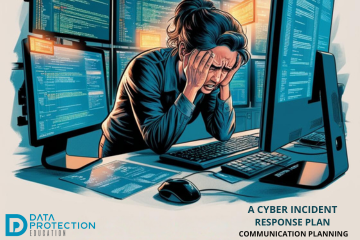
 A lady with a head in her hands with computer screens around her.  A cyber incident response plan text.  communication planning. data protection education logo

πŸ“’ It's important to be prepared for when a cyber incident happens to you.  Part of that preparation should include having a Cyber Incident Response Plan, and part of that plan should include how to communicate, who does the communication and what they should say.
hands at a laptop with virtual image of a contract popping out of the keyboard. Data protection education logo

πŸ“ƒ A digital technology contracts register is a lit of all the contracts in your organisation with external suppliers for the supply of digital technology products and services.
Meeting Digital Standards in schools and colleges. Children working in school in the background. Data Protection Education logo

πŸ‚ The DfE have published several updates to the DfE Digital Standards, updating the Filtering and Monitoring Standards, the Digital Leadership & Governance Standards and the Broadband Internet Standards for Schools and Colleges. We give our view on what that means and more details about the updates.
Young girl bursting through paper pointing to text saying 'Stealing children's data'. Data Protection Education image

In a Malwarebytes blog, author Mark Beare explains how your child's data can be stolen, and even more so if you have given medical  or health data.
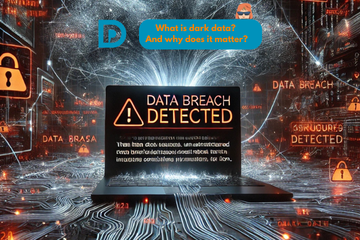
Ai generated image of dark data on a laptop with orange text on the screen saying Data breach detected.  Orange text on a blue background saying What is dark data and why does it matter?

πŸŒ‘πŸ—ƒοΈπŸ’» Dark data is data that is unused but still might be stored somewhere in an organisation, usually kept in unstructured and unsecured repositories or storage.
Breaking news in blue text, cyber attack on south london school. AI generated image of school hall with lots of computers with padlocks on the screen

A high school in south London was closed for the first part of this term due to a ransomware attack.  Students were sent home advising parents that the school would be closed for three days while all staff devices were 'cleansed'.
Children at a laptop looking surprised, with computer code in the background. Data protection education logo on the laptop

Another school has been hit by a cyber attack, this time in Canvey Island, Essex, who say the cyber attack happened during the summer holidays.
Knowledge Bank update in blue text. data protection education logo.  Orange and blue circles in the back ground.  A phone and laptop with the knowledge Bank best practice area.   Cyber security best practice in navy text on an orange circle

πŸ›‘οΈβœ… Gone are the days when cyber security issues meant accidentally downloading a virus, it has grown to mean so much more, where data and identities are stolen, fraud is committed and businesses can be shut down from a cyber attack.  With that in mind we have created a cyber security best practice area to help guide and support your data protection compliance.
Knowledge Bank update in blue text. data protection education logo.  Orange and blue circles in the back ground.  A phone and laptop with the knowledge Bank best practice area.   Schools and multi academy trusts best practice in navy text on an orange circle

We've put all the specific school and trust related data protection guides, documents and queries into one area to make it easier for you.

orange and blue circles.  Computer screen with retention schedule update in navy text on an orange background.  Knowledge Bank update in blue text. Data protection education logo.

We recognised that a number of our customers needed a generic retention schedule to help get them started with their records management.
Image generated by Microsoft copilot ai.  Facial recognition on a student in a classroom. ICO reprimand in computer text. Data Protection Education logo

The ICO have issued a reprimand to a school that did not follow due diligence when introducing facial recognition technology (FRT).

Microsoft Copilot AI generated image of computers on a world with hackers by the side

The recent news has been full of the global IT outage that affected many systems over the weekend, including airlines and patient access.  Although the incident was not caused by a cyber attack, it is important to note that it was a cyber incident which affects everyone.

A cyber incident is an event with threatens the confidentiality, integrity or availability of information systems, networks or the information they contain.

Review our previous article:

Cyber incidents can be intentional or accidental and can cause major disruptions.  The recently reported CrowdStrike incident caused significant global disruption.  While there are huge impacts to the affected systems, for which there are now fixes available, there will be an aftermath of 'unrest' where threat actors will use people's vulnerability and concern to send phishing emails.

The NCSC has already reported an increased in phishing activity as opportunistic and malicious actors seek to take advantage of the situation.  The emails could be aimed at organisations or individuals.

The NCSC has released this guidance:

Organisations should review NCSC guidance to make sure that multi-layer phishing mitigations are in place, while individuals should be alert to suspicious emails or messages on this topic and know what to look for.

Their full report can be read here: NCSC Major IT Outage

We've made a short micro learning video for you to share with staff about how they might be affected by cyber incidents like this one:


View our other free micro learning videos!

Article images created using Microsoft Copilot AI.
Micro Learning video created using Vyond AI.

What to do in the event of a Cyber Attack 

Incidents or attacks where any security breaches may have taken place, or other damage was caused, should be reported to an external body. 

The SLT digital lead will be responsible for assigning someone to report any suspicious cyber incidents or attacks. This person will need to report this to: 

  • Report Fraud on 0300 123 2040, or the Report Fraud website 
  • the DfE sector cyber team at This email address is being protected from spambots. You need JavaScript enabled to view it. 

You may also need to report to: 

You must act in accordance with: 

Police investigations may find out if any compromised data has been published or sold and identify the perpetrator. 

Preserving evidence is as important as recovering from the crime.

Forward suspicious emails to This email address is being protected from spambots. You need JavaScript enabled to view it.. Report SMS scams by forwarding the original message to 7726 (spells SPAM on the keypad).

Little Guide to ACTION FRAUD

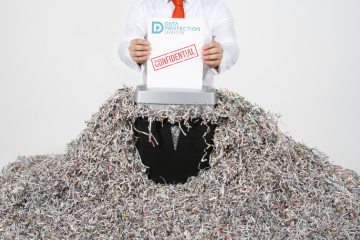
Large recycling bin with devices in, man in orange hoodie standing next to it. Secure data destruction sign on bin. Data Protection Education logo in the top left of the screen

Ageing and out of date technology is an every day challenge for most schools and small businesses, but is there a risk?
  1. Data Retention and the Pupil File
  2. Have you assigned your SLT Digital Lead yet?
  3. What's a Cyber Incident and what should we do?
  4. Getting Started with AI (Artificial Intelligence)
  5. Cyber attack on a school during half term
  6. Free short cyber training for staff
  7. The rise of cyber attacks in schools are causing pupils to miss classes
  8. ICO: Learning from the mistakes of others report
  9. Children's mental health data leaked after a cyber attack
  10. Cyber attack on a Trust; the aftermath
  11. School Focus: The Vale Federation | Aylesbury
  12. DfE Dealing with Subject Access Requests (SARs) Guidance
  13. Update to the Guidance on Information Sharing from the DfE
  14. FOI Requests generated by Artificial Intelligence
  15. Social Media Best Practice Area
  16. Lettings Best Practice Area
  17. MFA Bombing - What is it?
  18. Protecting your Social Media Accounts
  19. Product Focus on Checklists : Initial Trust Plan
  20. Product Focus on Checklists : End of Term Checklist
  21. Product Focus on Checklists : Information and Cyber Security
  22. Product Focus on Checklists : Social Media
  23. Cyber Incident Review: The Benefits
  24. Product Focus on Checklists : Lettings
  25. Product Focus on Checklists : Record of Processing
  26. Milk Island: The secret location that allows children to view restricted content on Google Maps
  27. Why Data Should Stay Put: Benefits of Keeping Data in Its Original System
  28. Product Focus on Checklists : Data Retention and Destruction
  29. Product Focus on Checklists : Data Migration
  30. Product Focus on Checklists : Biometrics
  31. Product Focus on Checklists : Supplier Due Diligence
  32. Free Cyber help, advice and training with the Cyber Resilience Centres
  33. The Perils of Paper: The Printing Vulnerability
  34. Product Focus on Checklists : FOI
  35. Product Focus on Checklists : Governors and Data
  36. Product Focus on Checklists : DPIA
  37. Product Focus on Checklists : Site Moves
  38. Product Focus on Checklists : Data Breaches
  39. Product Focus on Checklists : Subject Access Requests
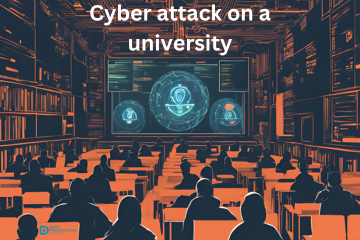
  40. Cyber attack on a University
  41. Product Focus on Checklists : Bring your own device
  42. Product Focus on Checklists : Working out of school/offsite
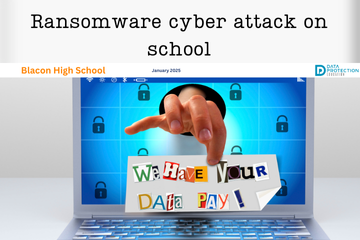
  43. Cyber Attack on a School
  44. Product Focus on Checklists : Redaction
  45. Major cyber-criminal gang Lockbit brought down by UK Law Enforcement
  46. Why Due Diligence is Important: Fake apps
  47. Product Focus on Checklists : CCTV
  48. Product Focus on Checklists : Clear desk
  49. Product Focus on Checklists : Commitment to compliance
  50. Product Focus on Checklists : Photos and video
  51. Product Focus on Checklists : Passwords
  52. Product Focus on Checklists : Information Classification
  53. Safer Internet Day 2024
  54. Kent Councils Data Breach
  55. Free cyber training for staff
  56. DfE Digital Standards Update
  57. The Mother of all Breaches
  58. ClassCharts Possible Data Breach
  59. Where is your data stored?
  60. IAPP looks at AI privacy risks
  61. If you suspect a financial scam .....
  62. Guardians of Privacy: 16. Social Media Checklist
  63. Guardians of Privacy: 15. Navigating Social Media in Educational Settings Summary
  64. Guardians of Privacy: 14. Social Media and Cyber Bullying
  65. Guardians of Privacy: 13. Social Media, Copyright and Intellectual Property
  66. Guardians of Privacy: 12. Social Media and Going Viral
  67. Guardians of Privacy: 11. Staff Social Media Accounts
  68. Guardians of Privacy: 10. Social Media and Cookies
  69. Guardians of Privacy: 9. Social Media and Morality
  70. New Resources for Schools from the ICO
  71. Guardians of Privacy: 8. Social Media Policies
  72. Guardians of Privacy: 7. Social Media Data Retention
  73. Guardians of Privacy: 6. Posting Safely
  74. Guardians of Privacy: 5. Social Media and Consent
  75. Guardians of Privacy: 4. Social Media Access Control
  76. Guardians of Privacy: 3. Social Media Channels
  77. Guardians of Privacy: 2. Law and Regulations
  78. Latest ICO Reprimand. Mr. S. Claus, Chief Executive Officer, North Pole Enterprises
  79. Phishing attacks targeting schools - alert from City of London Police
  80. The ICO reprimands a Multi Academy Trust
  81. Guidance for the use of school email and applying email retention in schools
  82. CISA and UK NCSC Announce Joint Guidelines for Secure AI System Development
  83. Data Protection Tips for Early Years Settings
  84. Children's Privacy around the world is a puzzle
  85. Trust Initial Plan Checklist Update
  86. Update on Advisory for Rhysida Ransomware
  87. Records Management Best Practice Update
  88. The Crime in a Cyber Attack and a Data Breach
  89. What do I need to redact?
  90. NCSC Annual Review is published for 2023
  91. Learning from Data Breaches
  92. Windows 11 security ineffective against attacks on old devices
  93. Trust Initial Plan for Data Protection Compliance (for Multi Academy Trusts)
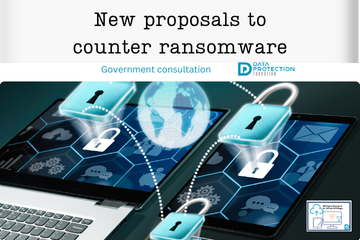
  94. International Counter Ransomware Initiative 2023 Joint Statement
  95. Google for Education Resources: Helping IT Admins meet DfE digital and technology standards
  96. Top Ten Cyber Security Misconfigurations
  97. Lettings Best Practice and Guidance
  98. ICO Reprimand: company suffered a ransomware attack
  99. The UK Online Safety Bill becomes an Act (Law)
  100. Considerations when migrating to a new MIS
  101. The importance of software updates (PaperCut vulnerability and Rhysida ransomware)
  102. Public bodies and sensitive data
  103. Adding offline bulk training using the Certificates function
  104. Ransomware, extortion and the cyber crime ecosystem
  105. Get a DPE Badge for your website!
  106. ICO: 10 Step guide to sharing information to safeguard children
  107. Cyber Resource: The Cyber Resilience Centre Group
  108. Email and Security: ICO recent guidance
  109. Help after a Cyber Attack/Incident
  110. Social Media Policy
  111. Data Protection and Cyber Security (Inset Day) Training Ideas
  112. Changes to Microsoft Free Licensing for Schools
  113. What to do in the event of a Cyber Attack
  114. Cyber Crime: AI Generated Phishing Attacks
  115. Handling Freedom of Information Requests the right way
  116. Cyber Attack: Exam Boards
  117. VICE SOCIETY - Ransomware attacks on schools
  118. Using Tags if you are a group of organisations in the DPE Knowledge Bank
  119. Where's Harry the Hacker?
  120. Be Cyber Aware: USB Sticks
  121. Cyber Insurance in the Public Sector
  122. Types of Cyber Attacks: DDos Attack (Microsoft DDoS Attack in June)
  123. Cyber Attack: Leytonstone School
  124. The ICO Reprimands a school
  125. Be Cyber Aware: Firewalls
  126. Be Cyber Aware: Cyber attacks and transparency. A no blame culture
  127. Cyber Attack: Dorchester School
  128. Knowledge Bank Role Types: Admin, Staff and Trustee
  129. Types of Cyber Attacks: Password Attacks
  130. Be Cyber Aware: Why regular software updates are important
  131. Cyber Attack: Wiltshire School
  132. Keeping your IT systems safe and secure
  133. Types of Cyber Attacks: DDoS Attacks
  134. Types of Cyber Attacks: Phishing
  135. Types of Cyber Attacks: The Insider Threat
  136. Why your data is profitable to cyber criminals
  137. Using WhatsApp in Schools
  138. The Changes to Data Protection in the UK
  139. Knowledge Bank Updates
  140. Types of malware and how they are linked to data protection
  141. Striking Data Breach
  142. IPR Protection Email Scam
  143. Windows Server 2012 & 2012 R2 Retirement
  144. How to contact us for support, subject access requests, data breaches and FOI's
  145. YouTube breached child protection laws
  146. How a school fought back after a cyberattack
  147. Types of Cyber Attacks - Credential Stuffing
  148. January Cyber update - How Can Schools Help Prevent Cyber Attacks?
  149. Assigning courses to staff using to-dos
  150. How the Record of Processing Can Help You
  151. Information Security Basics: What are VPN's?
  152. What does a Data Protection Officer Do?
  153. Are you ready for a Data Breach?
  154. Carrying out Supplier Due Diligence
  155. How Long Should You Keep Personal Data For?
  156. The Education sector now at highest risk of cyber attacks
  157. How to Assess your Data Security
  158. Schools Blocked from Using Facial Recognition Systems
  159. The Children's Code
  160. B&H FoI: Racist/religious incidents/bullying
  161. Cyber Attacks
  162. Protocol for Setting Up and Delivery of Online Teaching and Learning
  163. Class Dojo International Data Sharing
  164. Model Publication Scheme: Amendments, Improvements and Updates
  165. Child friendly privacy notices
  166. Transparency
  167. Secure file transfer of files using Royal Mail
  168. Emergency contacts and consent
  169. Key elements of a successful DPIA
  170. FOI Publication Schemes
  171. SHARE: Avoid disinformation online
  172. Best Practice for Managing Photos and Video
  173. New Drip Feeds: Recognise and Respond to Subject Access Request
  174. When to contact the Data Protection Officer?
  175. National child measurement programme
  176. Compliance Manager released
  177. Headteacher fined for breach of data protection legislation
  178. Emails – good practice and minimising the risk of a data breach

Search